
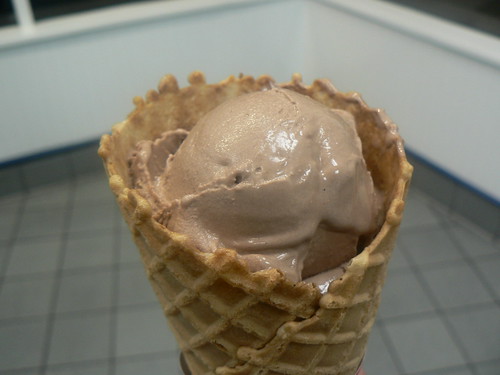
To start, you need to know that writing a picture book takes on a particular flavor. I'd like to think of it as chocolate.
 |
| Photo by: Stu_spivack, courtesy of Flickr |
You can write a picture book in strawberry, vanilla or swirl, but it may be more like an adult book with pictures, or even a long, drawn out history lesson that young children could care less about. Your book may be too wordy and the moral may be too obvious and preachy.
Children's picture books are the hardest genre to write. If you've heard otherwise, you're probably not speaking to a children's writer. What should you focus on to tell the best story?
- Less is more. You want to tell the story, balancing the text with the pictures involved. You don't need to say everything, in fact, the illustrator and the writer have a 50/50 partnership, and often the partnership is 60/40, meaning the author writes 40 percent text (or even less), and the illustrator gives up 60 percent to the illustrations. After your first draft, go over your manuscript and see how many words you can cut out because of the illustrations (you've envisioned) that show what's happening and don't need to be written about. You may be surprised.
- You don't need text on every page, either. Also, consider a double-page spread and how the story will look using one or more.
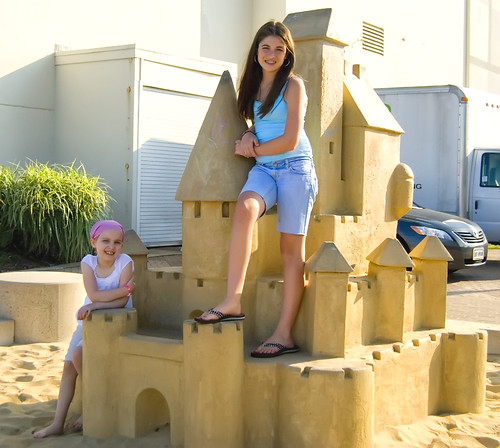
- Children like to read about someone a bit older than they are, doing things they might be just learning to do. A 3-year-old may enjoy digging in the sand, but if the story is also about making a fairy-sand castle, you're taking the child a bit further than their current capabilities.
- Children don't like to be talked down to. They want to feel grownup, even if they're only 3.
- Much has been said about talking animals; about not doing it. I'm all in favor of talking animals. If the story is captivating and draws you in, who cares?
- The illustrator you choose for your picture book is paramount, even if you have a terrific story. Most consumers purchase a picture book BECAUSE of the illustrations, not because of the story. If you have terrific illustrations as well as a terrific story, you've probably got a hit.
- Vary your sentence lengths. Think of poetry. Read the story aloud MANY TIMES to get a feel for sound. Cut out anything in the story that is jarring or causes you to stumble. Re-write scenes if necessary so that the words flow. Most picture books will be read out loud so make sure yours takes more than the cake.
- Make up a dummy book. Gather some type paper. Fold a few sections in half and lay them together like a book. Try out your text on the pages. Sketch out the drawings you want on the individual pages. Find out how many pages you're going to need to tell your story and see if your story is interesting enough to carry the reader to the end.
 |
| Photo by: cbgrfx123, courtesy of Flickr |
