
Get up and get writing! We're in this together!
Showing posts with label grammar. Show all posts
Showing posts with label grammar. Show all posts
Friday, August 25, 2017
Thursday, March 30, 2017

Friday, September 6, 2013
What it Really Takes to Be an Author: In Order of Importance
Through the years I've learned some valuable things, about paying bills on time, keeping my room clean, and doing the dishes before they've had a chance to sit too long. And I've learned a bit about writing and what it really takes to be an author.
I don't know about you, but I feel as if my writing teachers had it wrong. Look over the list and you'll see why.
Again, in order of importance.
1. Guts
2. Time
3. Creativity
4. Stick-to-it-ive-ness
5. Writing Skill
6. The ability to take criticism
7. Grammar Skill
When I went to school it was all about grammar and writing correct sentences. Ever diagram a sentence? Everyone did, but I really don't know how much this has helped me.
Through writing, I've learned grammar skills, but if I'd stopped writing in the beginning because I was still worried about grammar to be a good writer, you can be assured I would have stopped there. No one likes to be told that they need perfect grammar before they can write a good book.
What does a writer need?
Guts to keep going. The time to create. The ability to stick to a project that is difficult, because there isn't a boss looking over your shoulder. Sure, you need writing skills, but this comes through writing, not dreaming about writing after you know everything about grammar. And once you begin writing, it takes an insightful writer to take criticism and use it (or lose it) as the case may be.
And that good ole grammar?
That comes last, after all of the writing and editing and learning and working. And yes, through time, it will come to you pretty naturally.
So if you're worried about it.
Don't.
 |
Again, in order of importance.
1. Guts
2. Time
3. Creativity
4. Stick-to-it-ive-ness
5. Writing Skill
6. The ability to take criticism
7. Grammar Skill
When I went to school it was all about grammar and writing correct sentences. Ever diagram a sentence? Everyone did, but I really don't know how much this has helped me.
Through writing, I've learned grammar skills, but if I'd stopped writing in the beginning because I was still worried about grammar to be a good writer, you can be assured I would have stopped there. No one likes to be told that they need perfect grammar before they can write a good book.
What does a writer need?
Guts to keep going. The time to create. The ability to stick to a project that is difficult, because there isn't a boss looking over your shoulder. Sure, you need writing skills, but this comes through writing, not dreaming about writing after you know everything about grammar. And once you begin writing, it takes an insightful writer to take criticism and use it (or lose it) as the case may be.
And that good ole grammar?
That comes last, after all of the writing and editing and learning and working. And yes, through time, it will come to you pretty naturally.
So if you're worried about it.
Don't.
Wednesday, May 16, 2012
10 Clues that You're a Writer
How do you know when you're a writer?
1. You may stay home to write instead of going out to dinner. Besides, you're on your last chapter!
2. You begin to see your characters as real people and may converse with them on a daily basis. You may even prefer them to the real people you know.
3. You notice the little things that most folks take for granted. The sway of the leaves. The smell of the newly budded flower, the look of a child's face as they gaze upon the splendid treasures within the Disney Store. Heck, you may even be in awe yourself.
4. You stay up too late or get up at the crack of dawn. This is the only time you have to write and you're going to make the best of it.
5. You hate it when others miss-spell things (Hummm, is that right?), but may be a bit uncomfortable when others notice that you have.
6. You carry a book with you at all times. It may be your book (to sell or give away to just the right person) or you carry a book written by someone else to read at your earliest convenience.
7. You hate it when others don't think your job is anything more than a "hobby". You want to be respected for what you do.
8. You spend a good portion of the day dreaming up new characters for your next book, or dreaming of a new place for your next book's setting. You may even book a flight.
9. You may procrastinate because life always throws you things that at first glance appear to be more important than your writing.
10. You eat junk food at the computer because you don't want to lose your train of thought.
Have a favorite, or one I haven't thought of? I would love your feedback! (Now you know what I do! Well, except for #4).
1. You may stay home to write instead of going out to dinner. Besides, you're on your last chapter!
2. You begin to see your characters as real people and may converse with them on a daily basis. You may even prefer them to the real people you know.
3. You notice the little things that most folks take for granted. The sway of the leaves. The smell of the newly budded flower, the look of a child's face as they gaze upon the splendid treasures within the Disney Store. Heck, you may even be in awe yourself.
 |
| Photo by: tnarik, courtesy of Flickr |
5. You hate it when others miss-spell things (Hummm, is that right?), but may be a bit uncomfortable when others notice that you have.
6. You carry a book with you at all times. It may be your book (to sell or give away to just the right person) or you carry a book written by someone else to read at your earliest convenience.
7. You hate it when others don't think your job is anything more than a "hobby". You want to be respected for what you do.
 |
| Photo by: Sean MacEntee, courtesy of Flickr |
9. You may procrastinate because life always throws you things that at first glance appear to be more important than your writing.
10. You eat junk food at the computer because you don't want to lose your train of thought.
Have a favorite, or one I haven't thought of? I would love your feedback! (Now you know what I do! Well, except for #4).
Wednesday, February 15, 2012
Conquering your (Writing) Goliaths
As many of you know, my second published book, "Conquering your Goliaths: A Parable of the Five Stones," is up and running. But today I wanted to focus on 5 specific Goliaths we all face when it comes to writing and how to overcome them.
Let's start off with the most obvious one:
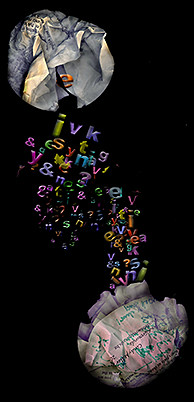
1. What if I have writer's block?
Don't believe in it. If I have a stall in my writing I try a writer's exercise, write about a picture in a magazine, or just start writing whatever comes to me. I don't believe in writer's block because there are so many things to write about.
2. What if I don't have enough time to write?
You have enough time if you choose to believe you do. Writing takes sacrifice, even for those who (sigh) are able to write full-time. You may need to sacrifice sleep. You may need to sacrifice a perfectly clean home. You may bow out of events. You may even choose to put that roofing project off for another year.
Whatever it is that's keeping you from writing, evaluate it. See if it can be removed from your life or put on the back burner (instead of your writing) for another time. You can do it.
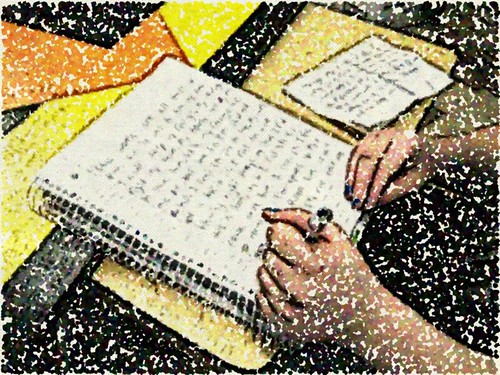
3. What if I have terrible grammar?
The best writers I know of have terrible grammar. What they excel at is a great story. Through time and effort, however, these terrible grammarians improve their grammar and may even manage to elicit a great editor to help them with their work. In your first draft, when the great stuff is coming and you really don't want to shut it off, grammar is the least of your concerns. You should be focusing in on the story. Only later, when you're reading for publishing, should you hone in on your grammar.
4. What if people hate my work?
Yes, some people will hate your work, and you have to get to the point that that it is okay with you. Especially in the beginning, when your writing is just taking off, you may have a crash or two when it comes to readers not really enjoying your work. If they're your friends, they will tell you why they didn't like it, they will get specific, and they will also tell you what worked for them. Critiques never hurt anyone, especially a writer who knows when to take the critique in and make changes and when not to.
5. What if I can't sell my work?
I remember the day I realized the reason I wrote, and it wasn't for money. Money was more of a side-mission that would come because folks wanted to be a part of what I'd written. I was writing for me, but I was also writing for others. What I sold had as much to do with my marketing skills (or lack of them) as was the reader's desire to read my work. I couldn't worry about sales. I needed to focus my attention on getting the word out.
Writing a book is a little like creating a child and letting the child go when he/she has grown up. People say it is difficult to write, and it is, but it is far more difficult to let your book go after it's been written and see what happens.
Let's start off with the most obvious one:
 |
| Photo by: Psyberartist, courtesy of Flickr |
Don't believe in it. If I have a stall in my writing I try a writer's exercise, write about a picture in a magazine, or just start writing whatever comes to me. I don't believe in writer's block because there are so many things to write about.
2. What if I don't have enough time to write?
You have enough time if you choose to believe you do. Writing takes sacrifice, even for those who (sigh) are able to write full-time. You may need to sacrifice sleep. You may need to sacrifice a perfectly clean home. You may bow out of events. You may even choose to put that roofing project off for another year.
Whatever it is that's keeping you from writing, evaluate it. See if it can be removed from your life or put on the back burner (instead of your writing) for another time. You can do it.
3. What if I have terrible grammar?
 |
| Photo by: mrsdkrebs, courtesy of Flickr |
4. What if people hate my work?
Yes, some people will hate your work, and you have to get to the point that that it is okay with you. Especially in the beginning, when your writing is just taking off, you may have a crash or two when it comes to readers not really enjoying your work. If they're your friends, they will tell you why they didn't like it, they will get specific, and they will also tell you what worked for them. Critiques never hurt anyone, especially a writer who knows when to take the critique in and make changes and when not to.
5. What if I can't sell my work?
I remember the day I realized the reason I wrote, and it wasn't for money. Money was more of a side-mission that would come because folks wanted to be a part of what I'd written. I was writing for me, but I was also writing for others. What I sold had as much to do with my marketing skills (or lack of them) as was the reader's desire to read my work. I couldn't worry about sales. I needed to focus my attention on getting the word out.
Writing a book is a little like creating a child and letting the child go when he/she has grown up. People say it is difficult to write, and it is, but it is far more difficult to let your book go after it's been written and see what happens.
Monday, February 6, 2012
Getting Clear about Grammar
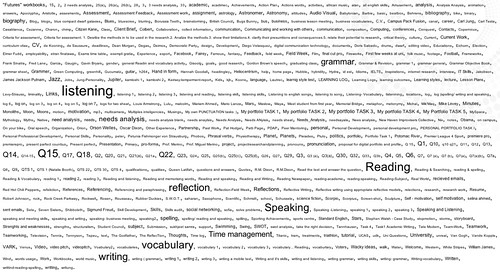
Grammar.
We love it, we hate it, we wish that we could write without worrying about it. The good news?
We can, but only for so long.
When a story is new and fresh, we write until we can't write anymore. We get it all out. Not all of our sentences are perfect; they shouldn't be. We are waiting for that spark of inspiration, that plane that will take us soaring through the universe, and we know it won't come in for a landing unless we are willing to write.
I try not to edit as I write. The process stunts my thinking and creates a stop in the creation process. Instead, I focus on getting it all out even if I don't use all of it or I have to rearrange the paragraphs later.
The key here is LATER:
Much later I am going through my manuscript and working out the kinks. This is when I look for flow, depth, intrigue, or whatever else I want my work to be. This is when I make changes to sentences and word choices. This is when I get someone else (perhaps many someone else's) to go over my work to see what I've missed.
Because I ALWAYS miss something.
Grammar is important in those final stages of your work; especially when you're at the publishing stage. Especially if you are publishing your book yourself or going through POD, you need to make sure that your grammar is as good as it can get.
Yes, I've heard of folks getting published without cleaning up the grammar, I've even heard authors say that the message is what is most important, and that the grammar issues can be overlooked, but I disagree. Yes, your message is the MOST IMPORTANT THING, but in order to get your message across to the most readers, your grammar needs to be seriously looked at and changes made. If not, a great reader may decide that their time is far too precious to continually wade through your work.
And no great writer wants that.
We love it, we hate it, we wish that we could write without worrying about it. The good news?
 |
| Art by: fin5bjh, courtesy of Flickr |
When a story is new and fresh, we write until we can't write anymore. We get it all out. Not all of our sentences are perfect; they shouldn't be. We are waiting for that spark of inspiration, that plane that will take us soaring through the universe, and we know it won't come in for a landing unless we are willing to write.
I try not to edit as I write. The process stunts my thinking and creates a stop in the creation process. Instead, I focus on getting it all out even if I don't use all of it or I have to rearrange the paragraphs later.
The key here is LATER:
Much later I am going through my manuscript and working out the kinks. This is when I look for flow, depth, intrigue, or whatever else I want my work to be. This is when I make changes to sentences and word choices. This is when I get someone else (perhaps many someone else's) to go over my work to see what I've missed.
Because I ALWAYS miss something.
 |
| Photo by Mike Baird, courtesy of Flickr |
Yes, I've heard of folks getting published without cleaning up the grammar, I've even heard authors say that the message is what is most important, and that the grammar issues can be overlooked, but I disagree. Yes, your message is the MOST IMPORTANT THING, but in order to get your message across to the most readers, your grammar needs to be seriously looked at and changes made. If not, a great reader may decide that their time is far too precious to continually wade through your work.
And no great writer wants that.
Subscribe to:
Posts (Atom)