I haven't talked much about setting in the past, but this video is fantastic. How does your setting mirror what the character is going through? Do you have a variety of setting? Learn what you can do to make your setting as strong as your characters.

Get up and get writing! We're in this together!
Showing posts with label setting. Show all posts
Showing posts with label setting. Show all posts
Thursday, March 1, 2018
Monday, June 26, 2017
KEEPING IT REAL: Reality in Writing
Years ago, I watched soap operas like they were going out of style. And I loved them. Everyone had such exciting lives, often, I found that my life was dull in comparison.
It wasn't until later, when the love for soaps dropped out of the picture, that I realized how 'unreal' they actually were, and that, thank heavens, my life wasn't filled with all of that pain - and on a daily basis!
Reality in writing is important, yes, even if you're writing science fiction or fantasy. Maybe espeically then. You reader needs to connect, not only to your characters, but the place they have planted themselves. And your reader can't do that if they are thinking, "well, she just wouldn't say that," or "he wouldn't do that." "That place is just too far-out in space to be believed." "What about science?"
The wrong dialogue can also cause book problems. Even though characters are fiction, they're a lot like real people, and should have some of the same expressions. Make sure that what your characters say not only reflects the time period in which they are living, but the personality you have given them. Make sure that their fears are in check; that your reader doesn't become mystified because your main character is suddenly sounding like your secondary character.
A good excercise; one that I should implement more often, is to write out my dialogue without the tags (i.e., he said she said) and see if another reader can tell who's speaking without the tags. In writing, you need some tags, but they don't need to be after every piece of dialogue. Too many tags will actually slow down the scene.
No writer is perfect, and I'm still dealing with reality in my own writing, so don't give up if this is a struggle for you. Listen to those critiques, listen at parks, malls, grocery stores. Take notes on how people speak.
It will be the most helpful homework you've ever experienced.
It wasn't until later, when the love for soaps dropped out of the picture, that I realized how 'unreal' they actually were, and that, thank heavens, my life wasn't filled with all of that pain - and on a daily basis!
 |
| https://www.tes.com/lessons/aUnoFPhKIgHYMg/dialogue |
The wrong dialogue can also cause book problems. Even though characters are fiction, they're a lot like real people, and should have some of the same expressions. Make sure that what your characters say not only reflects the time period in which they are living, but the personality you have given them. Make sure that their fears are in check; that your reader doesn't become mystified because your main character is suddenly sounding like your secondary character.
A good excercise; one that I should implement more often, is to write out my dialogue without the tags (i.e., he said she said) and see if another reader can tell who's speaking without the tags. In writing, you need some tags, but they don't need to be after every piece of dialogue. Too many tags will actually slow down the scene.
No writer is perfect, and I'm still dealing with reality in my own writing, so don't give up if this is a struggle for you. Listen to those critiques, listen at parks, malls, grocery stores. Take notes on how people speak.
It will be the most helpful homework you've ever experienced.
Tuesday, July 1, 2014
Making the Most of What You've Got
 |
| See how you can use your writing strengths to overcome your writing weaknesses |
I have always been able to tell a great story, but I wasn't always able to connect the dots on paper. So I practiced until the sentences flowed like water, and the connective tissue was hard to see. This also took time. I read other writers. I wrote. I tried to find my voice by writing what was from my heart more than what I found lurking inside my brain. And in time, through practice, my writing voice came.
Making the most of what you've got is using your gifts and talents in particular avenues of writing to help you along with those areas in which you lack. And you have to have some things you do well, or you wouldn't be a writer in the first place.
 |
| Make a list of your writing strengths |
As writers we're constantly coming across stuff we wish we could do better. For me, some of the stuff I'm still working on is setting.
Setting for me is kind of like poetry. It's a place you go, beyond great dialogue and a terrific plot, to round out your story and make it believable. The last thing a writer wants is for the characters to be standing in some sort of void.
And yet, setting is where I struggle. After all of the writing and editing, I am always going back to add more setting to a scene, and even then, my books are never high in setting; I focus more on what I do best.
As a good writer should.
For example, maybe you're better at setting, and lack in dialogue.
Or maybe you can come up with a terrific plot, but have a hard time connecting chapters or paragraphs.
Whatever your dilemma, be assured that your writing strengths were given to you for a reason. To help you to write. But that's not all. They were given to help you to
overcome your writing weaknesses.
A case in point.
If I'd stopped in the beginning because my stories never sounded as good on paper as they sounded when spoken aloud, I'd never be where I am today. I used what I had: the telling of a great story and all of the imagination that came with it, and connected the gift with the weakness: writing it down on paper.
And I continue to grow my weaknesses through the use of my strengths as I'm sure you do, whether you know you are doing it--or not.
Wednesday, February 19, 2014
Drama in Writing
Though some might say that they're only writing this scene to get to the next "great" one, or putting in this character because they feel as if their main character needs a "friend," or even, that this dialogue is needed though it's not very "exciting," I'm a firm believer that every aspect, from setting to character must be filled with some sort of drama.

Do you realize that every piece of your story, every scene, even every character has to be, well....captivating?
A writer just can't afford for a sentence, any sentence, to just lie there--flat.
They can't afford to place in an equally dull setting and equally dry character.
It just doesn't make...
...cents.
(There is no typo there).
Who would finish a book riddled with boringness?
Is that a word?
Anyway, they wouldn't. Of that I am sure.
Drama in writing is achieved not only by the way your sentences are constructed, but by the feeling you place within them. Are you using your five senses? Is your main character asking thoughtful questions of themselves after an especially grueling scene? Are your characters well-rounded; are they more than stick figures, meaning they have their own personalities and quirks?

Does every scene, and I mean every scene, count for something in your book? Does it need to be there? If your scene doesn't connect with the main theme of your book; if it's there because you think it's "cool," or because you just "like it," ditch it.
Please...
Do you ever put a book down because it's so long winded? Do you want to get to the next best part because the part you are reading is about as dry as a paper plate? What can you learn from books whose pacing, stinks?
Every book has something to teach us, so I recommend reading lots and lots of them. Writing is important, too. As we write and then edit, especially as we begin to read our work aloud, we catch things. Dull sentences. Boring surroundings, or even a lack of surroundings. Awkward transitions, and more.
The best drama out there, in life as in fiction, is captivating because of all of the emotions intertwined. Love. Hate. Secretiveness. Thoughtfulness. Pain. Action. Hope.
I'm not giving up on you.
Kathryn
Wednesday, January 22, 2014
Do Your Characters Speak to You? Do You Listen?
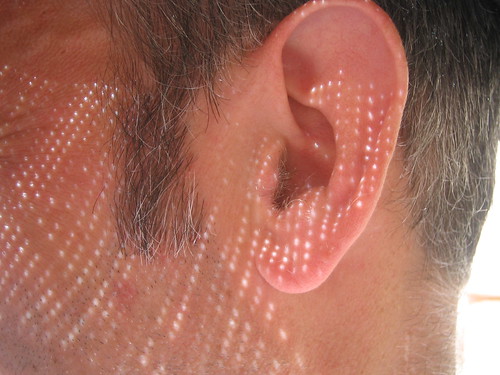
I had a great conversation recently was a fellow author about characterization, and the importance of making their fictitious characters REAL.
What makes a character real? I asked.
I suppose they are like the rest of us, was the answer. They say the right things based on their likes and dislikes; perhaps where they sit in a family situation, whether first or fifth in line. They do the right things. You can count on them to visit particular places and settings.
 |
| Photo by: Menage a Moi, courtesy of Flickr |
So what happens when your character doesn't feel like that to you?
I asked.
Well, you're probably not listening to them them, he answered.
Listen to a character?
You bet.
Have you ever been writing along merrily, when suddenly what you have written seems awkward, almost forced?
I have.
And the best thing I can do is to stop and take notice. The scene I have just written, does it run true for the character, or am I forcing the character into a place he/she wouldn't really go?
Is the character speaking like themselves, or like me? Do I want the character to say something so bad I forget that the character might just feel differently about that?
Okay, so maybe we writers are a little bit crazy. I'm almost saying here that we hear voices... but I want you to reflect on the last time you wrote dialogue.
Did you listen?
Was it more important to get the feelings of the character authentic over your agenda for them?
There's something soothing and yes, REAL about a character who appears real on paper because we've remembered to listen.
So listen...
Friday, November 15, 2013
Seasonal Settings: Making the Most of the Weather (and other things)
I was talking to a client yesterday and reaffirming what I've probably said before.
A writer needs setting in their books; they also need to use the five senses. If not, the characters are living in some sort of void.
I love the seasons. And it's always a good idea to write about them when you are experiencing them. Try tucking these seasonal experiences away until you need them.
If you're writing about summer and the true season (at least in the life you're currently living) is winter, try bringing to the surface your past experiences. They will help you in creating a real setting for your book.
One thing that some writers struggle with is something I call "talking heads." What this means is that the writer gets so caught up in the conversation they forget to reveal where the characters are standing (sitting), what time of day it is, and what the weather is like.
I may be able to see the main character pondering about her life, but I don't see where she is sitting and what is happening around her. I don't "feel" her thoughts. And if I don't "feel" anything (and much of this "feeling" can be found in properly placed senses) I don't care about the character's life.
Real life always has something going on, whether that thing is a slow blowing wind, children playing on the playground, a water tap dripping, or just the sound of the sheets as the main character repositions herself on the bed.
None of us live in a void.
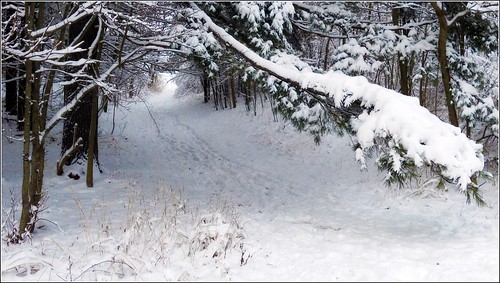
When we read any worthwhile book we are not only learning from the dialogue we are learning from the setting and the five senses. A great book makes the most of the weather, whether the weather happens to be brisk, warm, or somewhere in-between; this same writers gets a real clue into the main character's heart by using the five senses.
A writer needs setting in their books; they also need to use the five senses. If not, the characters are living in some sort of void.
 |
| Photo of clouds by: revedavion.com, courtesy of Flicker |
If you're writing about summer and the true season (at least in the life you're currently living) is winter, try bringing to the surface your past experiences. They will help you in creating a real setting for your book.
One thing that some writers struggle with is something I call "talking heads." What this means is that the writer gets so caught up in the conversation they forget to reveal where the characters are standing (sitting), what time of day it is, and what the weather is like.
 |
| Photo by: blmiers2, courtesy of Flickr |
Real life always has something going on, whether that thing is a slow blowing wind, children playing on the playground, a water tap dripping, or just the sound of the sheets as the main character repositions herself on the bed.
 |
| Photo by: Tom Raftery, courtesy of Flickr |
When we read any worthwhile book we are not only learning from the dialogue we are learning from the setting and the five senses. A great book makes the most of the weather, whether the weather happens to be brisk, warm, or somewhere in-between; this same writers gets a real clue into the main character's heart by using the five senses.
Friday, September 20, 2013
Say What?
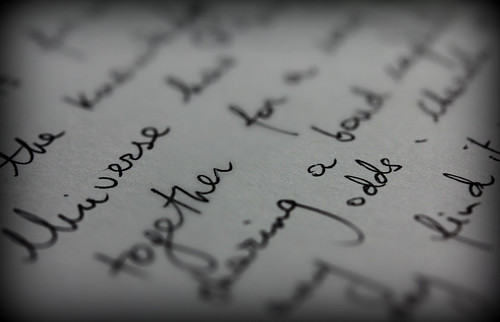
What you say in your writing reflects not only the character's thoughts but the tone of your book. And since I am having one of those "say what?" mornings in my personal life I thought I'd tackle the subject of tone.
Tone is more than the words you use. It's the speed with which they come across the paper. It's the way in which you express them.
For example, you could say:
"He was a jerk. A real loser. It was like he lived inside a bubble or something."
"Tom was self-centered. Sometimes, well, quite often actually, he'd be so fired up about his own life that he couldn't see past it to anyone else's."
"She didn't think Tom knew what to do. He must have had a million things on one itty bitty plate. It was almost as if it was hard for him to put one foot in front of the other."
In the first instance, I hope you feel the anger from the person looking in on Tom.
In the second example, there is a bit more opening up from the person watching.
In the third example, we are looking directly at Tom, and for the first time may finally see why he appears self-centered and a jerk.
Check your tone. Does it reflect the scene? Does it reflect the character? Does it reflect how others see the character, or is the tone too harsh or too soft?
I have a scene in my latest book that may strike some readers as over the top, and perhaps a little harsh. The main character, after trying to make something work, gets angry, so angry she destroys personal property. But I think it works. You can't be afraid for your main character to fly off the handle just because you feel as if a 40 year old wouldn't do that. You can't be afraid to express it when it needs to be expressed. When the anger needs to come out, there should be little holding back, especially if the character really needs to get it out.
And only you know when that needs to happen.
Read your work out loud if you have to. Get someone else to read it. Make sure the tone fits the scene as well as the character within the scene.
Tone is more than the words you use. It's the speed with which they come across the paper. It's the way in which you express them.
 |
| Photo by: paloetic, courtesy of Flickr |
For example, you could say:
"He was a jerk. A real loser. It was like he lived inside a bubble or something."
"Tom was self-centered. Sometimes, well, quite often actually, he'd be so fired up about his own life that he couldn't see past it to anyone else's."
"She didn't think Tom knew what to do. He must have had a million things on one itty bitty plate. It was almost as if it was hard for him to put one foot in front of the other."
In the first instance, I hope you feel the anger from the person looking in on Tom.
In the second example, there is a bit more opening up from the person watching.
In the third example, we are looking directly at Tom, and for the first time may finally see why he appears self-centered and a jerk.
Check your tone. Does it reflect the scene? Does it reflect the character? Does it reflect how others see the character, or is the tone too harsh or too soft?
I have a scene in my latest book that may strike some readers as over the top, and perhaps a little harsh. The main character, after trying to make something work, gets angry, so angry she destroys personal property. But I think it works. You can't be afraid for your main character to fly off the handle just because you feel as if a 40 year old wouldn't do that. You can't be afraid to express it when it needs to be expressed. When the anger needs to come out, there should be little holding back, especially if the character really needs to get it out.
And only you know when that needs to happen.
Read your work out loud if you have to. Get someone else to read it. Make sure the tone fits the scene as well as the character within the scene.
Thursday, August 22, 2013
Don't Tell Me, I Have to Start Over?
I have been working with authors for some time now, and sometimes we learn through the process of editing and improving the manuscript, that the task is really that they need to start their short story over. A book is even worse, and it can be very painful considering all the time and effort put into it.
But sometimes the task is necessary.
Sometimes, you have terrific characters, a nice setting, but the plot? Well, it sucks.
There is not enough intrigue, not enough tension, not enough (dare I say it) problems in the book to make the reader continue to read until the last page. Or you may have a lot going on in terms of problems, but the problems are all over the place and don't necessarily reflect the main struggle your primary character is going through.
For example, say your main character's parents are going through a divorce, but the problems your character faces don't specifically stem from the main problem. Perhaps the girl's focus is on friends and getting good grades at school, but she has no problem making friends and her grades are perfect. When a child faces the divorce of her parents, the loss affects every avenue of her life. She struggles to be liked, to prove herself worthy of a friend--any friend. (Who has enough self-esteem to be picky?) She makes mistakes directly related to the divorce, and finds herself searching for answers to fill in the loss of a missing parent.
Yes, I'm well aware that some books don't need that climb up the mountain (such as a memoir, for example) but most books need the intrigue. They need the tension.
Without it, you have nothing but beautiful words that lead the reader to the kitchen for a bite to eat.
Starting over isn't all bad. You have the characters in place. You have the setting. Now, create some problems for the character that continue to get worse (based on the main issue) before they get better.
But sometimes the task is necessary.
Sometimes, you have terrific characters, a nice setting, but the plot? Well, it sucks.
There is not enough intrigue, not enough tension, not enough (dare I say it) problems in the book to make the reader continue to read until the last page. Or you may have a lot going on in terms of problems, but the problems are all over the place and don't necessarily reflect the main struggle your primary character is going through.
 |
| Photo by: @Doug88888, courtesy of Flickr |
Yes, I'm well aware that some books don't need that climb up the mountain (such as a memoir, for example) but most books need the intrigue. They need the tension.
Without it, you have nothing but beautiful words that lead the reader to the kitchen for a bite to eat.
Starting over isn't all bad. You have the characters in place. You have the setting. Now, create some problems for the character that continue to get worse (based on the main issue) before they get better.
Thursday, May 16, 2013
Weaving Your Story
When you write a story, whether that story is a short story or a novel, something important needs to take place to make your story cohesive and interesting to read.
And that thing is weaving.
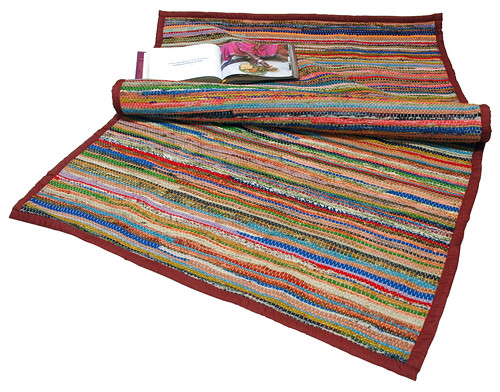
Like a beautifully constructed rug of color, a story that is woven has two primary elements that are woven throughout the other colors or story elements.
And these two elements are:
Dialogue
Setting
One without the other simply would not work in any short story or novel; especially if you want the reader to continue your story and not stop at page one.
As part of my business is editing, allow me to share a few things I have learned from the authors I have edited.
First, the author is usually strong in either dialogue or setting, and this strength carries throughout the book.
Two, the weakness of the other will be shallow, yes, just like the shallow end of a great ocean. Where one is beautifully constructed, the other is considerably less so.
Three, many authors write in blocks. They may write a terrific dialogue scene (because this is their strength) then add a snippet of setting, and then there they are again, back to dialogue. Each area is separate and single, though both are in the same story.
Weaving the two simply means that with dialogue, you have setting, and with setting you have some dialogue and that you balance the two throughout your story or book. It can mean that you have quite a bit of setting, but that you break it up with dialogue or thought processes.
Here's an example:
George Mahooney hated flies. They buzzed around his ears, and pecked leisurely at his withered flesh. To swat them, was useless, and spent energy George didn’t have. His movements were slower now that he was ninety. His breath was heavy and tortured.
He arose from his bed, allowing the even breathing of his wife to whisper of past dreams in the already warming room. They’d spent the majority of their lives here, making love, talking, and arguing about things George no longer remembered.
He kissed her once, taking in the cinnamon scent in her hair and skin. She always smiled, even in her sleep, and George had always wondered why.
In moments she would awaken and the quiet of the morning would be replaced by her endless singing. Her quiet hands would busy themselves in the kitchen. She would make his breakfast: Oatmeal with milk, dry toast and butter, a glass of orange juice and a side order of cinnamon roll.
George walked barefoot into the living room and through the door to the front porch of their country home. It was the absence of flies he noticed first in the warm August air. He hadn’t looked at the clock, so he’d probably beaten them awake.
George smiled at his cleverness, and sat down on the old rocker. He pushed himself forward, then backward, then forward again and watched the birds—they were brown and speckled with dusty tan—unlike the birds of yesterday that came every day in the summer to peck at his overgrown fruit trees (From The Awakening of George Mahooney, a short story).
Is there actual dialogue in this sample? No, but there is plenty of thought process, and that's what's important here.
Here's another example with obvious dialogue:
I nodded my head. Very slowly, Joshua released his hand from over my mouth. Spit had accumulated on his hand, and he wiped it against his Levi’s. I smiled inwardly.
“We’re going to play cowboys and Indians,” Luke reported. “You’re the squaw.”
“OK,” I said. “What do I do?”
Luke grinned, his large teeth glistening in the afternoon air. “Come with me,” he said. “I’m the chief.” He turned and strode away, Joshua sandwiching me between them.
I almost laughed. “You gonna take your shirt off?” I asked. Luke had already turned the corner and was probably getting set up for battle. “I don’t know of any Indians who wear shirts.”
“Good idea, squaw,” he said, reaching down with his pudgy fingers. He had the blue cloth over his face when I made my escape. I heard a second of grunting and got a brief glance at Joshua’s fat stomach bouncing before I burst free.
I dashed to the end of the lawn, turned the corner, and ran swiftly to the end of the street. There was no sound from my house. Evidently Joshua was still struggling to get his shirt off (From, A River of Stones, a YA novel).
What's important here is that I've incorporated both dialogue (or thought processes) in both examples, though the examples are very different.
In my own writing I focus on weaving both setting and dialogue and sometimes have to return and add a bit more setting: dialogue is my strong point.
What's yours?
And that thing is weaving.
 |
| Photo by: New Internationalist, courtesy of Flickr |
And these two elements are:
Dialogue
Setting
One without the other simply would not work in any short story or novel; especially if you want the reader to continue your story and not stop at page one.
As part of my business is editing, allow me to share a few things I have learned from the authors I have edited.
First, the author is usually strong in either dialogue or setting, and this strength carries throughout the book.
 |
| Photo by: Avery Studio, courtesy of Flickr |
Three, many authors write in blocks. They may write a terrific dialogue scene (because this is their strength) then add a snippet of setting, and then there they are again, back to dialogue. Each area is separate and single, though both are in the same story.
Weaving the two simply means that with dialogue, you have setting, and with setting you have some dialogue and that you balance the two throughout your story or book. It can mean that you have quite a bit of setting, but that you break it up with dialogue or thought processes.
Here's an example:
George Mahooney hated flies. They buzzed around his ears, and pecked leisurely at his withered flesh. To swat them, was useless, and spent energy George didn’t have. His movements were slower now that he was ninety. His breath was heavy and tortured.
He arose from his bed, allowing the even breathing of his wife to whisper of past dreams in the already warming room. They’d spent the majority of their lives here, making love, talking, and arguing about things George no longer remembered.
He kissed her once, taking in the cinnamon scent in her hair and skin. She always smiled, even in her sleep, and George had always wondered why.
In moments she would awaken and the quiet of the morning would be replaced by her endless singing. Her quiet hands would busy themselves in the kitchen. She would make his breakfast: Oatmeal with milk, dry toast and butter, a glass of orange juice and a side order of cinnamon roll.
George walked barefoot into the living room and through the door to the front porch of their country home. It was the absence of flies he noticed first in the warm August air. He hadn’t looked at the clock, so he’d probably beaten them awake.
George smiled at his cleverness, and sat down on the old rocker. He pushed himself forward, then backward, then forward again and watched the birds—they were brown and speckled with dusty tan—unlike the birds of yesterday that came every day in the summer to peck at his overgrown fruit trees (From The Awakening of George Mahooney, a short story).
Is there actual dialogue in this sample? No, but there is plenty of thought process, and that's what's important here.
Here's another example with obvious dialogue:
I nodded my head. Very slowly, Joshua released his hand from over my mouth. Spit had accumulated on his hand, and he wiped it against his Levi’s. I smiled inwardly.
“We’re going to play cowboys and Indians,” Luke reported. “You’re the squaw.”
“OK,” I said. “What do I do?”
Luke grinned, his large teeth glistening in the afternoon air. “Come with me,” he said. “I’m the chief.” He turned and strode away, Joshua sandwiching me between them.
I almost laughed. “You gonna take your shirt off?” I asked. Luke had already turned the corner and was probably getting set up for battle. “I don’t know of any Indians who wear shirts.”
“Good idea, squaw,” he said, reaching down with his pudgy fingers. He had the blue cloth over his face when I made my escape. I heard a second of grunting and got a brief glance at Joshua’s fat stomach bouncing before I burst free.
I dashed to the end of the lawn, turned the corner, and ran swiftly to the end of the street. There was no sound from my house. Evidently Joshua was still struggling to get his shirt off (From, A River of Stones, a YA novel).
What's important here is that I've incorporated both dialogue (or thought processes) in both examples, though the examples are very different.
In my own writing I focus on weaving both setting and dialogue and sometimes have to return and add a bit more setting: dialogue is my strong point.
What's yours?
Monday, April 29, 2013
Writing for Young Adults
If you're considering writing a YA book, you may also want to consider the following tips:
When writing your book, consider the audience. A book with 15 year olds is a good choice for someone a few years younger, and characters that are say, 16-18 are better for a 14-15 year old. The reason? When you're a teen, you want to be a bit older than you currently are. I don't know what it is about that, but until you're in your 20s, the idea of being older is the cat's meow.
When was the last time you heard "the cat's meow"? This brings us to tip number two. How do teens speak these days? What phrases do they use? What do they say when they're frustrated, sad, excited? Now, I'm the first to admit that many teens swear, and I'm not promoting swearing here, but I like the thought of someone getting angry and using a lighter slang word to get their point across.
What happens to a teen reader that has to read a classic? Well, unless they are of the unusual variety, nothing much. Teens need action, and lots of it. They need dialogue and a smattering of setting, but not so much that they decide to skip the 'boring' parts. Teens need teens that do scary things; things they've only dreamt about, but they also need realistic stories that deal with trauma in a real and positive way.
Does your main character have cancer? How does she deal with it? Are her parents divorced? How does she feel about that?
Take your YA fiction novel deep, but not so deep that the reader is wondering where they are. Whether you're writing a mystery, a romance, or an adventure, consider their age, the way they speak, and what they dream about.
If you have a hard time relating to teens in your own life, you may have a hard time writing about them. If this is the case you need to spend some quality time, or at the very least, do some focused observation.
Unless your book is taking place in the 50s or 60s when you were a kid, you'll need a sufficient update.
Write teen books yourself? What advice do you have?

When writing your book, consider the audience. A book with 15 year olds is a good choice for someone a few years younger, and characters that are say, 16-18 are better for a 14-15 year old. The reason? When you're a teen, you want to be a bit older than you currently are. I don't know what it is about that, but until you're in your 20s, the idea of being older is the cat's meow.
 |
| Photo by: Sarah Alamimi, courtesy of Flickr |
When was the last time you heard "the cat's meow"? This brings us to tip number two. How do teens speak these days? What phrases do they use? What do they say when they're frustrated, sad, excited? Now, I'm the first to admit that many teens swear, and I'm not promoting swearing here, but I like the thought of someone getting angry and using a lighter slang word to get their point across.
What happens to a teen reader that has to read a classic? Well, unless they are of the unusual variety, nothing much. Teens need action, and lots of it. They need dialogue and a smattering of setting, but not so much that they decide to skip the 'boring' parts. Teens need teens that do scary things; things they've only dreamt about, but they also need realistic stories that deal with trauma in a real and positive way.
Does your main character have cancer? How does she deal with it? Are her parents divorced? How does she feel about that?
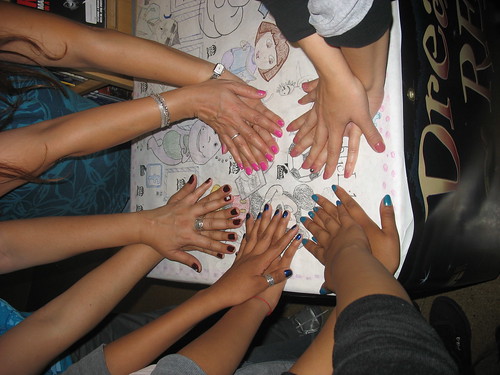 |
| Photo by: San Jose' Library, courtesy of Flickr |
If you have a hard time relating to teens in your own life, you may have a hard time writing about them. If this is the case you need to spend some quality time, or at the very least, do some focused observation.
Unless your book is taking place in the 50s or 60s when you were a kid, you'll need a sufficient update.
Write teen books yourself? What advice do you have?
This book is primarily for the middle reader, can you see why?
Saturday, March 2, 2013
Is Your Setting Hiding Behind a Bush?
What about setting?
Does your dialogue take over; so much so that you have no idea where your characters are standing, what colors surround them, how it smells in the summer where they are standing?
Yes, for some of us, using setting is sort of like plucking our eyebrows, either we do too much or we do too little.
Here's how to balance it.
Start with what you do best. If it's dialogue, go at it. Get those characters speaking. If it's setting, get it all out; the smell of the grapes, the taste of the watermelon, how the light flickers off of her hair, but get it out.
Now, after you've finished with your chapter, go back and fill in the gaps. You'll know where they are. Either you'll have dialogue with characters sort of floating somewhere, or you'll have tons of setting that is beautifully written but that really doesn't move your story along. Read what you've written out loud and make adjustments.
If you find that your dialogue and setting is fairly balanced, good for you! Go on to chapter 2. Continue the process until your book is finished.
If you need some help with dialogue: Record some dialogue at a restaurant you're at, in the bus or at a park. Play it back at home. Notice how people really speak and incorporate that into your story.
If you struggle with setting: Cut out some pictures from a magazine. Use them in a binder and when you feel the block coming on, open up the binder and choose a photo to write about.
You don't want your setting to get lost behind a bush, but neither do you want it to stand out like a sore thumb. You want readers to finish your book, not get bogged down because of all of the setting details.
I'm done. Now have some fun.
Does your dialogue take over; so much so that you have no idea where your characters are standing, what colors surround them, how it smells in the summer where they are standing?
Yes, for some of us, using setting is sort of like plucking our eyebrows, either we do too much or we do too little.
 |
| What do you think this woman is saying to herself? What does the setting reveal? Photo by: titoy', courtesy of Flickr |
Start with what you do best. If it's dialogue, go at it. Get those characters speaking. If it's setting, get it all out; the smell of the grapes, the taste of the watermelon, how the light flickers off of her hair, but get it out.
Now, after you've finished with your chapter, go back and fill in the gaps. You'll know where they are. Either you'll have dialogue with characters sort of floating somewhere, or you'll have tons of setting that is beautifully written but that really doesn't move your story along. Read what you've written out loud and make adjustments.
If you find that your dialogue and setting is fairly balanced, good for you! Go on to chapter 2. Continue the process until your book is finished.
If you need some help with dialogue: Record some dialogue at a restaurant you're at, in the bus or at a park. Play it back at home. Notice how people really speak and incorporate that into your story.
If you struggle with setting: Cut out some pictures from a magazine. Use them in a binder and when you feel the block coming on, open up the binder and choose a photo to write about.
 |
| Your setting might be beautiful, but is it too much? Photo by: thekeithhall, courtesy of Flickr |
You don't want your setting to get lost behind a bush, but neither do you want it to stand out like a sore thumb. You want readers to finish your book, not get bogged down because of all of the setting details.
I'm done. Now have some fun.
Wednesday, January 30, 2013
Dialogue that's Real
I don't know about you, but having a great conversation is the next best thing to eating a chocolate doughnut. I love to talk, and I love to listen, and I love words (no surprise there).
Dialogue comes in all shapes and sizes in real life just like it should come in the real world called our latest novel. But sometimes, (dare I say it?) we find that our book dialogue is stilted, untrue, long-winded, boring, and altogether unrealistic.
Yes, real life dialogue can run the same gamut, but usually it's real enough in getting us to continue with our conversation. If the conversation turns sour we usually stop speaking, leave the room, or speak with someone else in the group.
Unfortunately, in a novel, we really can't stop speaking. (There's something about pure setting that really bores the reader). We can't leave the room (because again we're looking around at the pretty rose bushes in the charming garden of our main character for all time) and we can speak to someone else in the group I suppose, though the main character will still need to speak at some point in our novel.
What we can do is to create real dialogue in the first place instead of something else. And that takes practice.
Here are some helps:
I don't know about you, but having a great conversation is the next best thing to eating a chocolate doughnut. I love to talk, and I love to listen, and I love words (no surprise there).
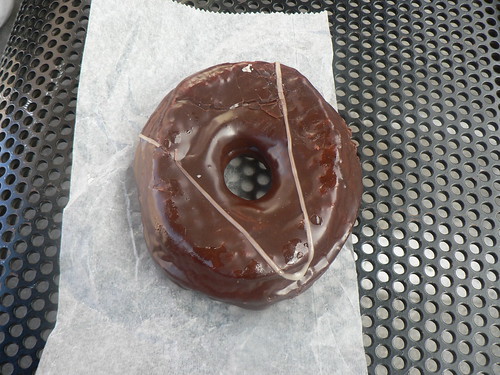 |
| Photo by: stu_spivack, courtesy of Flickr |
Yes, real life dialogue can run the same gamut, but usually it's real enough in getting us to continue with our conversation. If the conversation turns sour we usually stop speaking, leave the room, or speak with someone else in the group.
Unfortunately, in a novel, we really can't stop speaking. (There's something about pure setting that really bores the reader). We can't leave the room (because again we're looking around at the pretty rose bushes in the charming garden of our main character for all time) and we can speak to someone else in the group I suppose, though the main character will still need to speak at some point in our novel.
What we can do is to create real dialogue in the first place instead of something else. And that takes practice.
Here are some helps:
- Consider a real conversation and base your book dialogue off of that. What do people really say? "I can't believe it! Are you serious?" or do they say, "I am full of disbelief. You are talking to me like you're not very serious"?
- Consider the actions that accompany the dialogue. "I can't believe it! Are you serious?" Charly tugged at her shirt, trying to cover up the offending navel. Or, "I am full of disbelief. You are talking to me like you're not very serious." Charly thought her friend didn't understand about the latest styles. She liked the style.
- Consider how often you use dialogue. I have said this before but it bears repeating. A great book has a mixture of dialogue and setting; one doesn't overrun the other, though dialogue usually plays a slightly higher hand than setting. Look over a page of your writing. Do you have more dialogue or more setting? Dialogue will keep your writing clipping along; setting gives it more of a pause. Let me put it this way: Have you ever skipped long winded setting to get to the next piece of dialogue?
Tuesday, October 30, 2012
Come and Stay Awhile: The Importance of Setting
I don't know about you, but setting is harder for me to tackle in a novel, especially if I haven't been to the place I'm writing about. And even if I have, there's still that stuff I need to check out.
I have been on a cruise, but I didn't know what happened behind the scenes. I didn't know what the captain's quarters looked like or where the food was stored. I had questions about crew cabins, jobs on a cruise ship, and what happens when someone dies on board.
Yes, this means I did some research for my book, Sunny Side-Up, though I could draw on my experience as a passenger to complete the setting.
Setting is a valuable asset to your book or short story, because with setting you get a feeling for where the characters are standing and participating. You aren't in some void, rather, the setting contributes to the characters in the book and vice versa.
In my first mystery, Scrambled, the people living in the Hotel Camaro reflected the condition of the hotel itself, which was badly in need of renovation. And since I'd never stepped foot in an old east coast hotel, I had to do some studying to make the setting right. I couldn't just use what I remembered about San Francisco to make it right, for example.
Setting isn't just about tree placement, or having a garden or making the sky blue, the setting reflects the story in a very real way and contributes to your character's success.
You want your reader to put of their feet and stay awhile. But you don't want them to get too comfortable. That's why there's tension and conflict to balance out the beautiful trees and meandering stream. That's why the old hotel with loosening bathroom fixtures, still has room to show it's beautiful wooden cornices.
Though a huge dose of setting at any given time is usually skipped over by the reader, a sprinkling of it in between dialogue lends depth and interest to your story. Are people talking all of the time? Even in real life there is time for reflection and quietness. And that's what you want in your story.
You want your reader to see the world that the character lives in. You want your reader to know why they live where they do, and how the world in which they live contributes to their happiness or lack of it.
If you can do this, your readers will want to prop up their feet and stay awhile.
I have been on a cruise, but I didn't know what happened behind the scenes. I didn't know what the captain's quarters looked like or where the food was stored. I had questions about crew cabins, jobs on a cruise ship, and what happens when someone dies on board.
Yes, this means I did some research for my book, Sunny Side-Up, though I could draw on my experience as a passenger to complete the setting.
Setting is a valuable asset to your book or short story, because with setting you get a feeling for where the characters are standing and participating. You aren't in some void, rather, the setting contributes to the characters in the book and vice versa.
 |
| Photo by: CJ Isherwood, courtesy of Flickr San Francisco |
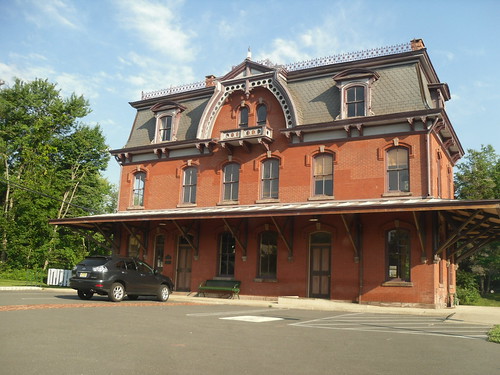 |
| Photo by: Dougtone, courtesy of Flicker New Jersey |
Setting isn't just about tree placement, or having a garden or making the sky blue, the setting reflects the story in a very real way and contributes to your character's success.
You want your reader to put of their feet and stay awhile. But you don't want them to get too comfortable. That's why there's tension and conflict to balance out the beautiful trees and meandering stream. That's why the old hotel with loosening bathroom fixtures, still has room to show it's beautiful wooden cornices.
Though a huge dose of setting at any given time is usually skipped over by the reader, a sprinkling of it in between dialogue lends depth and interest to your story. Are people talking all of the time? Even in real life there is time for reflection and quietness. And that's what you want in your story.
You want your reader to see the world that the character lives in. You want your reader to know why they live where they do, and how the world in which they live contributes to their happiness or lack of it.
If you can do this, your readers will want to prop up their feet and stay awhile.
Wednesday, October 10, 2012
Balancing Dialogue with Setting and Reflection
I received a phone call from a writer this morning. She wanted to know if writing a page and a half of material without dialogue was okay. I assured her that it was.
There is a place for setting. A place for back story. A place to sum up without spelling out every nuance in a conversation. Because, as usual, your story must move forward.
So when do you know when to write dialogue and when to leave it out?
Only you can answer that question. And your readers, of course. And we're talking here about the readers you get before you put your book out there to the world. They may tell you that:
Writing dialogue is a bit like real life situations. In fact, the best dialogue takes a back seat to the dialogue you use in real life and the power it gives you personally to move on. Dialogue peppered with some reflection time and the use of setting intertwined makes for a great balance in your book. As in book reading, balance is also wanted in life (even if we don't get it).
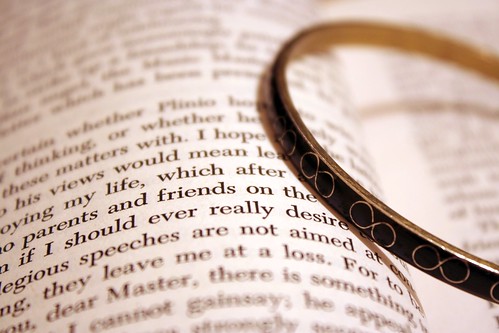
Because dialogue moves the reader along faster in your story than any other writing medium, you want to make sure you use it; but you also want to give the reader pause for reflection, time to take in their immediate surroundings. There's nothing worse than having your characters standing within an empty void. Your readers want to see where they are; breathe in the air if you will. They want to be a part of the story.
We all have writing areas we are stronger at. Mine happens to be dialogue. I struggle with setting and find that when I return to a book I often have to add a bit more. You may do the same with dialogue.
The good news is that in book writing, a writer can go back and re-do what was said or felt or seen--something not usually possible in real life.
And maybe that's the best news.
 |
| Photo by: veni markovski, courtesy of Flickr |
So when do you know when to write dialogue and when to leave it out?
Only you can answer that question. And your readers, of course. And we're talking here about the readers you get before you put your book out there to the world. They may tell you that:
- Your story drags too much. You need more dialogue.
- There is confusion. The story jumps too much from setting to setting and the reader is having a difficult time understanding where they are.
- You write too much dialogue and not enough setting.
- Reflection time takes over the story and is always swimming in a circle but never taking the character anywhere.
 |
| Photo by: LaurenFinkelPhotography, courtesy of Flickr |
Because dialogue moves the reader along faster in your story than any other writing medium, you want to make sure you use it; but you also want to give the reader pause for reflection, time to take in their immediate surroundings. There's nothing worse than having your characters standing within an empty void. Your readers want to see where they are; breathe in the air if you will. They want to be a part of the story.
We all have writing areas we are stronger at. Mine happens to be dialogue. I struggle with setting and find that when I return to a book I often have to add a bit more. You may do the same with dialogue.
The good news is that in book writing, a writer can go back and re-do what was said or felt or seen--something not usually possible in real life.
And maybe that's the best news.
Saturday, June 9, 2012
5 Secrets to Beginning a New Novel
Since I am in the process of beginning a new novel, I wanted to let you in on a few secrets I have discovered through the years when it comes to writing a great book.
Here they are:
Know the Basics of Plot
1. Before you start, know who the main and secondary characters will be, the setting and a pretty good idea of the plot. Remember, I said a PRETTY GOOD idea. Something happens to me when I write; suddenly, the characters take over and the plot changes, and in fact, becomes better. Leave yourself open to change as you write.
Research
2. Get a bit of research done. I am TERRIBLE at this one and so what happens is that I'm writing about a cruise ship that is about to dock in Hawaii. Here are a few things I needed to know right away because a murder had been committed on board. How does the Honolulu Police Department function? What do their uniforms look like? How large is a typical department? What about lawyers? How do they dress? How do they perform? What of cruise ship negligence? What's a famous recipe in Hawaii that has eggs in it? And the list goes on...Once this information is at your fingertips you can write without having to stop mid-sentence to figure something out.
Action!
3. Keep in mind that your reader wants to be involved right away. I first began my story with some reflection on why Susan (my main character) was taking this cruise, but quickly discovered that the better beginning would involve the reader in some action-- and so a murder was created.
Move forward
4. Try not to correct as you go unless you realize early on that you've bungled the beginning like I did. Keep writing and try not to go back on what you've written until at least the next day, and then only go back a page or two to refresh your mind.
Take a break
5. If the muse quits on you, take a break, and then go back to your work. Your writing will be better. I like to take 15 minute breaks or use the time to do a writing exercise unrelated to the book I am working on.
When it comes to the beginning of your book, you not only need to make it captivating but realistic. Keeping your facts straight will lend credibility with your readers and moving forward and taking the breaks when you need them will get that book finished before you know it.
Here they are:
Know the Basics of Plot
1. Before you start, know who the main and secondary characters will be, the setting and a pretty good idea of the plot. Remember, I said a PRETTY GOOD idea. Something happens to me when I write; suddenly, the characters take over and the plot changes, and in fact, becomes better. Leave yourself open to change as you write.
Research
 |
| Photo by Paul B, courtesy of Flickr |
2. Get a bit of research done. I am TERRIBLE at this one and so what happens is that I'm writing about a cruise ship that is about to dock in Hawaii. Here are a few things I needed to know right away because a murder had been committed on board. How does the Honolulu Police Department function? What do their uniforms look like? How large is a typical department? What about lawyers? How do they dress? How do they perform? What of cruise ship negligence? What's a famous recipe in Hawaii that has eggs in it? And the list goes on...Once this information is at your fingertips you can write without having to stop mid-sentence to figure something out.
Action!
3. Keep in mind that your reader wants to be involved right away. I first began my story with some reflection on why Susan (my main character) was taking this cruise, but quickly discovered that the better beginning would involve the reader in some action-- and so a murder was created.
Move forward
4. Try not to correct as you go unless you realize early on that you've bungled the beginning like I did. Keep writing and try not to go back on what you've written until at least the next day, and then only go back a page or two to refresh your mind.
 |
| Photo by J. Chris Vaughan, courtesy of Flickr |
5. If the muse quits on you, take a break, and then go back to your work. Your writing will be better. I like to take 15 minute breaks or use the time to do a writing exercise unrelated to the book I am working on.
When it comes to the beginning of your book, you not only need to make it captivating but realistic. Keeping your facts straight will lend credibility with your readers and moving forward and taking the breaks when you need them will get that book finished before you know it.
Friday, May 18, 2012
Gearing up for Free Workshop!
Okay, folks, today is the last day to sign-up for my class! Sure, you can walk in tomorrow without signing up (I'll still take you), but it's always a good idea for a presenter to know how many people are attending.
We will be discussing plot. That means characterization, setting, beginnings, endings, and that thing called, "the main problem" of your character and how to solve it by the end of the book.
Having a hard time getting started on your novel? Are you about mid-way through and feeling as if the story is going down hill? Do you think all of your characters sound the same, and you want to change that? What about your setting? Are you using what you know?
These questions and more will be answered at the Writing Your Book Workshop. Here are the details:
Date: Tomorrow! (May 19)
Time: 1-2:30
Place: Bountiful/Davis Art Center, 745 South Main Street, Bountiful
Please pass the word along, and bring a friend. I have a FREE gift for everyone who attends.
 |
| Photo by: jm3, courtesy of Flickr |
We will be discussing plot. That means characterization, setting, beginnings, endings, and that thing called, "the main problem" of your character and how to solve it by the end of the book.
Having a hard time getting started on your novel? Are you about mid-way through and feeling as if the story is going down hill? Do you think all of your characters sound the same, and you want to change that? What about your setting? Are you using what you know?
These questions and more will be answered at the Writing Your Book Workshop. Here are the details:
Date: Tomorrow! (May 19)
Time: 1-2:30
Place: Bountiful/Davis Art Center, 745 South Main Street, Bountiful
Please pass the word along, and bring a friend. I have a FREE gift for everyone who attends.
Wednesday, April 11, 2012
Using Setting in Your Writing, Especially if You've Never Been There
Setting.
It's one of those powerful additions to your book or short story that will either make it or break it. If you're writing about London, for example, but have never actually stepped foot there, it's a good idea to study up; and I'm not talking about merely looking up London online and getting a few key points.
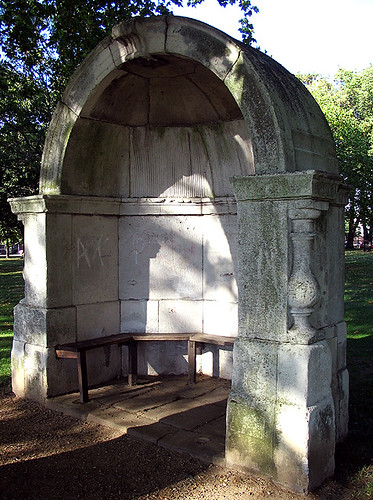
Setting is one of those things that folks can usually tell if you've got right or wrong, because they have either visited the country or state or have lived there. I would suggest a study online, and then talking with someone who has been there, and following up this conversation with anything you can find (a movie, a documentary, a travel program) that will help you.
One thing a friend will tell you that a travel program might not is the truth about where to eat and where to stay the night. They may also share with you about the "unheard of" places that are fun to visit--even free adventures that may not be mentioned on a travel program.
How could the above picture help you with a scene involving two characters who are falling in love? Or breaking up?
Of course, setting should be balanced with dialogue. The best setting is interwoven between the things that people say, and when the words are said, we can see where the person is standing and what the surroundings look like. Especially if we're in unfamiliar territory, it's a good idea to paint a picture that the reader can see.
I have had to work on setting in my own writing and often find myself going back to my novel and adding it in later. What I do well is dialogue, but the page can be so full of it that I forget the fullness that can be achieved when both setting and dialogue are balanced.
In the end, it's all about a great story where the reader sees and feels, as if he/she is watching a movie on a big screen, what our book is all about.
It's one of those powerful additions to your book or short story that will either make it or break it. If you're writing about London, for example, but have never actually stepped foot there, it's a good idea to study up; and I'm not talking about merely looking up London online and getting a few key points.
 |
| Photo by: Trodel, courtesy of Flickr |
Setting is one of those things that folks can usually tell if you've got right or wrong, because they have either visited the country or state or have lived there. I would suggest a study online, and then talking with someone who has been there, and following up this conversation with anything you can find (a movie, a documentary, a travel program) that will help you.
 |
| Old London Bridge Alcove, Victoria Park Photo by: Fin Fahey, courtesy of Flickr |
How could the above picture help you with a scene involving two characters who are falling in love? Or breaking up?
Of course, setting should be balanced with dialogue. The best setting is interwoven between the things that people say, and when the words are said, we can see where the person is standing and what the surroundings look like. Especially if we're in unfamiliar territory, it's a good idea to paint a picture that the reader can see.
I have had to work on setting in my own writing and often find myself going back to my novel and adding it in later. What I do well is dialogue, but the page can be so full of it that I forget the fullness that can be achieved when both setting and dialogue are balanced.
In the end, it's all about a great story where the reader sees and feels, as if he/she is watching a movie on a big screen, what our book is all about.
Thursday, April 5, 2012
Asking Questions to get (Character, Plot, Setting) Answers
I am a firm believer in asking questions. Not just in my spiritual life but in my book writing life, which often happens for me spiritually anyway. And the questions I usually ask in the book writing world have to do with character, plot and setting.
The questions may be: What problems will this character face and how will she overcome them? When she doesn't get that job, what will she do? Where is her job located and how is the location just the right place (or the wrong place) for the job to be?
I like to ask questions, because in asking I get answers, and the answers aren't always what I expect.
Take my latest Christian novel, "Conquering Your Goliaths: A Parable of the Five Stones." When Ms. Virginia Bean loses her job I expect that she'll go in search of a new one, but what ways does she manage to look for one? Who will she meet along the way to help her? What will be a surprise in this search for a new job? What obstacles will be in her way? How will she overcome?
I had an idea of how I thought the story might end, but I was open to the characters telling me what they thought. If you're a writer, the thought of characters speaking to you about their life will probably not come as a big shock to you, but if you've just started out in writing, the thought might freak you out a bit.
Don't get freaked, get ready to listen, ask questions and be prepared for your character to tell you where it's at. There is something about not getting hooked into a plot when a better plot comes around. And I'm always ready to ask questions and get feedback.
 |
| Photo by: Bilal Kamoon, courtesy of Flickr |
I like to ask questions, because in asking I get answers, and the answers aren't always what I expect.
Take my latest Christian novel, "Conquering Your Goliaths: A Parable of the Five Stones." When Ms. Virginia Bean loses her job I expect that she'll go in search of a new one, but what ways does she manage to look for one? Who will she meet along the way to help her? What will be a surprise in this search for a new job? What obstacles will be in her way? How will she overcome?
 |
| Photo by: jemsweb, courtesy of Flickr |
Don't get freaked, get ready to listen, ask questions and be prepared for your character to tell you where it's at. There is something about not getting hooked into a plot when a better plot comes around. And I'm always ready to ask questions and get feedback.
Friday, March 16, 2012
Simple Outlines Create Success
You've heard of those (far out) outlines and profiles; those that specify hair color, eye color, habits, and speak about the details within each chapter, etc. But what I want to talk to you about today is putting together a simple outline--one that will get you writing instead of researching.
While I think it's important to research a story, I know that it is also easy to get stuck in the planning stage forever. That's why I like to use a simpler outline method.
It goes something like this:
Character
Start by thinking of your main character and the traits and physical characteristics that apply to them. Get a fairly good idea of who they are by keeping your thoughts to one paragraph.
Setting
Now, take this character through a setting. Where would this character typically live based on their traits and physical characteristics? Focus on the main setting; where the primary character usually frequents.
Plot
What is your main character's problem? What issue are they trying to solve?
When it comes to plot, you'll not want to make it easy for the character to succeed. Based on who they are and where they live, and their specific problem, you'll want to take the main character through some trials. In a book of say, 200 pages or more, expect the main character to go through at least five episodes that they must overcome to face the next obstacle. If everything is smooth sailing through your book, you don't have a story, and you don't have a life. Think about your own life. Is it free of challenges?
How does your main character try to solve their problems? After listing the five challenges that must be overcome, list their accompanying solutions; solutions, by the way, that don't necessarily work, but lead the main character forward.
Ending
How is the problem finally solved? Is the answer realistic based on the trials that the character has already overcome? Endings are just as important as beginnings, probably even more so. Have you ever read a book and the ending seemed forced? Did you hate the ending because it didn't appear realistic? The right ending is important for your book, and based on the trials overcome, you should be able to place the main character in the right ending.
When it comes to outlining a book, we all have our ways of getting the information down. Some writers I know use magazine pictures for all the main characters of their book; others use a poster board for all of the chapters and scenes of the book. On the board they can move (with sticky notes) what is going to happen in each chapter. If they decide on something else later, they just move the sticky notes.
But I happen to favor this method. It's simple and to the point. Plus, you're not spending hours and hours organizing (maybe even getting burned out) before you write that first line.
While I think it's important to research a story, I know that it is also easy to get stuck in the planning stage forever. That's why I like to use a simpler outline method.
 |
| Photo by Ed Yourdon, courtesy of Flickr |
Character
Start by thinking of your main character and the traits and physical characteristics that apply to them. Get a fairly good idea of who they are by keeping your thoughts to one paragraph.
Setting
Now, take this character through a setting. Where would this character typically live based on their traits and physical characteristics? Focus on the main setting; where the primary character usually frequents.
Plot
What is your main character's problem? What issue are they trying to solve?
When it comes to plot, you'll not want to make it easy for the character to succeed. Based on who they are and where they live, and their specific problem, you'll want to take the main character through some trials. In a book of say, 200 pages or more, expect the main character to go through at least five episodes that they must overcome to face the next obstacle. If everything is smooth sailing through your book, you don't have a story, and you don't have a life. Think about your own life. Is it free of challenges?
How does your main character try to solve their problems? After listing the five challenges that must be overcome, list their accompanying solutions; solutions, by the way, that don't necessarily work, but lead the main character forward.
Ending
How is the problem finally solved? Is the answer realistic based on the trials that the character has already overcome? Endings are just as important as beginnings, probably even more so. Have you ever read a book and the ending seemed forced? Did you hate the ending because it didn't appear realistic? The right ending is important for your book, and based on the trials overcome, you should be able to place the main character in the right ending.
When it comes to outlining a book, we all have our ways of getting the information down. Some writers I know use magazine pictures for all the main characters of their book; others use a poster board for all of the chapters and scenes of the book. On the board they can move (with sticky notes) what is going to happen in each chapter. If they decide on something else later, they just move the sticky notes.
But I happen to favor this method. It's simple and to the point. Plus, you're not spending hours and hours organizing (maybe even getting burned out) before you write that first line.
Monday, February 13, 2012
To The Romance Writer
Since we're only a day away from Valentine's, I thought it would be nice to focus on romance writing. Let me say up front that I'm not a fan of most romance novels; those that really get me are the ones that shy away from the typical knight in shining armor routine, have characters that are as unique as the book and a setting that is natural and not over-used. Let me explain what I mean:
I would love to read a romance like the movie, "You've Got Mail," except I'd have the main character keep her book store in the end, and I would expect the man in the story to want her to.
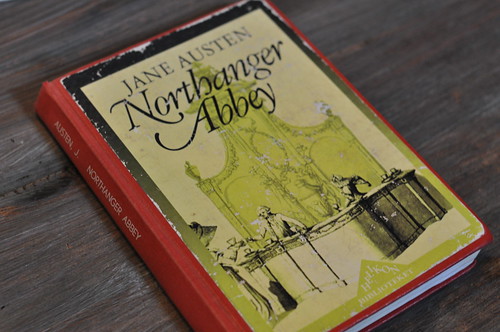
Take a look at the Jane Austen books. Sure, they have good looking men, but the main character doesn't always marry the best looking man, because, in the end, he isn't the best man for her. She may struggle with marriage, she may not even want to get married. In the end, she may find that she prefers the single life.
And can I say a bit about sex? Remember the movie, "Somewhere in Time?" Remember that tasteful bedroom scene? Remember how beautiful the scene was because of the lack of other things? Why can't a romance be more like that? Why do some romance books have to be so explicit?
Okay, I've said my peace.
 |
| Photo by: CarbonNYC, courtesy of Flickr |
- If the good guy is always saving the day at the end, you haven't got me. If the woman is weak, you haven't got me. A better plot would be one where the woman is strong and can handle her life with or without the man. Don't get me wrong, I'm all for marriage and all that, I just think that the end of a story, especially the end of a romance, needs to take the reader off the beaten path, which brings me to my next concern.
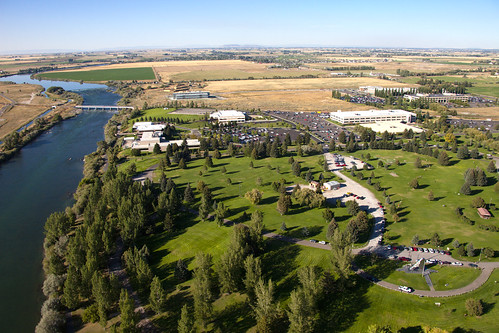
- Setting. Overused are those settings that we always think of when it comes to romance. Paris. Italy. The Hawaiian Islands. Cancun. What if the romance occurred in an out-of-the-way place like Idaho or West Virginia?
- Characters. When it comes to romance characters, quite honestly many of them are above human. Just substitute a different name and you have the same broad chested man that was in the last book. Please understand; I think romance characters need to be nice looking; we might not read a romance with a pot-bellied man as a main character, but consider this: many of us our dealing with men and women in real life that are not so perfect.
 |
| Idaho Falls Campus, Idaho National Laboratory, courtesy of Flickr |
 |
| Photo by Cwasteson, courtesy of Flickr |
I would love to read a romance like the movie, "You've Got Mail," except I'd have the main character keep her book store in the end, and I would expect the man in the story to want her to.
Take a look at the Jane Austen books. Sure, they have good looking men, but the main character doesn't always marry the best looking man, because, in the end, he isn't the best man for her. She may struggle with marriage, she may not even want to get married. In the end, she may find that she prefers the single life.
And can I say a bit about sex? Remember the movie, "Somewhere in Time?" Remember that tasteful bedroom scene? Remember how beautiful the scene was because of the lack of other things? Why can't a romance be more like that? Why do some romance books have to be so explicit?
Okay, I've said my peace.
Subscribe to:
Posts (Atom)