Showing posts with label book writing. Show all posts

Wednesday, August 5, 2020

5 Questions You Must Ask Before You Self-Publish

Just because you want to self-publish, doesn't mean you get to skip some steps. Self-publishing just means you have everything to do - it's all on your plate.

I also do business cards and postcards for my books

Since I've learned a thing or two about self-publishing myself and helping other authors to self-publish with a little assistance from our hybrid publishing house, Idea Creations Press, allow me to share with you five questions I always ask myself before I consider my manuscript - finished. 

1. Has my book been edited? Once you've edited your work, allowed it to sit at least two weeks before going over it again - maybe even longer - you still need another set of eyes (five is a good number) to look over your manuscript. I use Grammarly when I do my final check. And even then, things get missed, so always, always have those last-minute eyes read over your book.

2. Is my book cover the best it can be? Get some feedback. Trust in this feedback. I have one book right now that has gone through two book covers. I am still not completely satisfied with it. It's okay to update a cover after a few years, but you want the cover to be as professional as you can make it right out the gate. There are many places you can buy stock photos that you can then create a book cover from. Some of them are pretty inexpensive. For picture books: PLEASE get a professional artist/photographer unless you are a professional artist yourself, meaning you have sold some paintings, and/or have your work in an art gallery. The pictures in picture books have to be outstanding or the text will not be able to stand on its own.
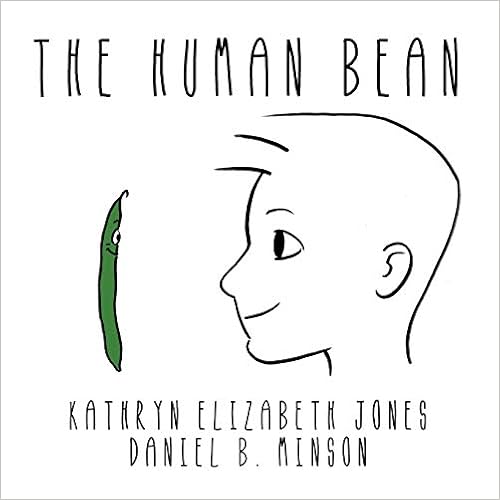
At Amazon

3. Especially if this is your first book published - Do I have a website/blog already running? And if so, when was the last time I posted? Daily is best. I don't post daily because of time limitations, but if you have time, do it! If you don't currently have a blog/website, get it going yesterday

4. Is my social media in place? Do I have a Facebook account? Twitter? LinkedIn? Pinterest? Instagram? GoodReads? Google+? Author page on Amazon?

5. Do I have some advertising ideas ready? If you can't afford a lot, check into Facebook and Google advertising.

Bottom line. When you self-publish, you want your book to look professional, and you want to have some ideas in place BEFORE it's published. If you are reading this after your book has already been published, never fear! Start today! 

Tuesday, July 21, 2020

In college? How to write that book


I've been to college. I know how it is.

Every possible living and breathing moment is spent listening to lectures, doing your homework, taking part in a study group, studying for tests, taking tests, eating...

...and maybe sleeping.

Who has time to write a book?

Granted, with seemingly fewer hours to write your book, you're probably wondering why I broach the subject in the first place. 

I am tackling it because there's interest, that's why. When I was in college I still wanted to write that book, but I always used the excuse that I really didn't have time. Besides, I was ornery, tired, and overwhelmed. 

Working for the school newspaper took care of a lot of my anxiety, though it didn't clear it completely. And I need to be honest here, I was never disciplined enough to write a book while in college. But once it was all over, I began to take a look at it.

One of my more recent books shared at "Touch a Truck"
in West Valley City

This is what I see looking back.

Writing a book would have cleared up much of my anxiety if only I'd spent a few minutes a day on it. I'm not talking huge sprints, just short jumps whenever I had it. 
    
Television/YouTube. I used television as my escape. When I was stumped on a math problem or I just couldn't figure out what to write my essay about (imagine that) I turned to the tube. What if I'd worked on my book?

Television, or any other electronic gizmo, can suck you in.
Big time.


Bathroom duty. Some people read while on the pot, why not write?

Dinner. Right, you just want to visit for a minute or two. A couple of times a week, take a night off and write while you eat.

Nightmares: I had a few of these while in school. I never wrote them down though. 

Dreams: The same holds true for cool dreams. There may come a scene in your book where a dream comes in handy.

Summer vacation: So, you don't attend school during the summer? Start your book then. You'll have at least three solid months of  'school side' uninterrupted time. Once back in school, you can move forward, having written a big chunk of your book before other duties start waggling their ugly heads at you.

What we spend our time doing during our "free"
time will ultimately get our book finished
or shelved for a later date

Spring/Summer/Fall/Winter break: This is a given. Even if you decided to use only one of the breaks writing, you would make a lot of headway on your book.

Driving/Walking to class: Write your book via electronic means. Once in the car or on your feet and off to school, instead of turning the music on, speak the next portion of your book into your phone. Times like bathroom duty and dinner can easily be used to make a plan on how your book is going to go. 

This little guy is much too young to drive
or go to college, but he is cute

Between classes: How much time do you waste between classes? Are you always studying? Are you often visiting? There nothing wrong with visiting all of the time unless you have a book to write. 

You've also heard it's a good idea to keep a notebook by the side of your bed. This same notebook should go with


you to school and wherever else you go. When was the last time you worked on your book while waiting for the dentist or doctor? Hum, some pretty scary stuff there.

What I'm trying to get at, if you haven't figured it out already, is all of the moments on a given day you really have time to write. 

Sure, I've been to college, but I also know this. Excuses never helped anyone write a book. Not even me.


Thursday, June 25, 2015

Working on Your Book?

Distractions come easily, especially in summer.

I should know. It's summer :) and I have visitors from Texas, plenty of yard work, and plenty of opportunity to procrastinate.

But today I'm going to write.

My mystery, "Hard Boiled," is in need of some time - especially if it's going to be released next year in early fall. But you know how it is...

If you have a project that you've been 'meaning' to get to, now is the time, now is the day.


Just take some time, and do it.

Thursday, April 17, 2014

5 Ways to Fill Your Bucket

Burned out?

Trying to make sense of your new fiction title, and have finally decided to scrap it?

Don't.
Sometimes, all we need is a re-fill. When we're full, we can easily return to our projects without a hitch. Here are some ideas:


1. Spend some time away from your desk. Meaning a few hours away. Not just in your front or backyard, or taking a cruise to the grocery store. I'm talking about a real fill-up; the kind that doesn't answer the door or the cellphone. I'm talking about a park. The canyons. The lake. The... (you fill in the relaxing place). You may have to plan ahead, but do it. A change of scenery to ponder and think usually does the trick.

2. If you feel as if you can't leave your place (at least not right now when you're feeling so burned out), take some moments to read. I mean it. Don't read and edit your own work. Read someone else's purely for enjoyment. Don't try to fix the awkward paragraphs (because you will probably still see them even in published works) and don't analyze anything. This is so tough for me because I'm doing it every day on my own work and the works of others, but when I can truly relax and read a good book, I'm filled up for the next adventure in my writing life.

3. Play some music and do nothing. Impossible, you say? Try it. Pick something soothing, lay back and close your eyes. See if you can manage doing nothing for 15 minutes, then return to your work. You'll be surprised at what you come up with.

4. Get creative. Write just because you love it. Start anywhere. From a picture you've chosen from a magazine, from a randomly chosen sentence in your favorite novel, from your favorite quote; just start writing and let it flow.

5. Call someone and tell them you love them. Do something for someone else. Visit someone who doesn't get out much. Call a friend you haven't spoken with in a long time. Get out of yourself. When we focus on someone else, even if it's for a few short hours, it's amazing what comes back to us in the form of new and creative ideas.

We all have buckets we need to fill, and sometimes, we feel as if there are more holes in our bucket than ideas. That's when we need to take a second look at life.

Monday, December 10, 2012

Editing Your Own Book

A lot has been said about editing, about the importance of finding a professional editor, especially if you're self-publishing your book. And while I'm in favor of making your book the best it can be, it's not always practical, for financial reasons, to get your book edited by a professional.

Though I am in business to help other writers edit their work, not everyone has the cash to spend on editing, and this is something that I understand--being a poor writer myself. Writers don't typically have extra money for such a venture, but they want to make their work the best it can be. If this is the case with you, this is what I recommend.
  • Set your book aside after you finish the first draft for at least two weeks or longer. When you go back to it you'll see changes that must be made that you won't see the day after the first draft is finished.
  • Read your book aloud. When you stumble over a sentence, or are confused by something you read, stop and fix it. Our ears hear things that our minds miss.
  • Photo by Nic's events, courtesy of Flickr
  • Read your book silently. Make corrections directly on a paper copy instead of directly on your computer. You'll see more errors.
  • Get some friends and writers to read your work. You'll need at least five. Get people that you know that will give you an honest opinion of your work. Give your readers at least two weeks to read your work and meet with them personally to find out what they discovered.
  • Be careful about what you change
    Photo by: Nick Harris1, courtesy of Flickr
  • Make additional corrections and allow your manuscript to sit for a couple more weeks. Make sure you listen to your heart. Not everything a reader will say will need to be changed but pay special attention to those things that are mentioned more than once.
Editing your book is kind of like preparing to go on vacation (writing your book) and then realizing that in some respects, the planning was more fun than experiencing it (editing your book). Prepare for your next edit by remembering that even the best writers need to edit and rarely come up with something worth sharing on their first draft.